
Top Properties

View details


View details

Guide to France

Popular Searches

Create your client area and enjoy the following benefits:

  • Receive emails and text message alerts
  • See additional pictures of listed properties
  • Gain access to the legal information pages
  • Receive our newsletter
  • Update and modify your personal details and search criteria

Register now

French region of Burgundy
The Red Heart of France

Capital: Dijon
Population: 1,612,000
Specialities: Snails, frogs legs, Bresse chicken, Charolais beef, Beef Burgundy, Dijon mustard, gingerbread and superb red and white wines.
Click to find out more about Burgundy
Burgundy

Fair
Fair
70°F | 21°C

Live Weather
Click for details


Background on the region

Burgundy
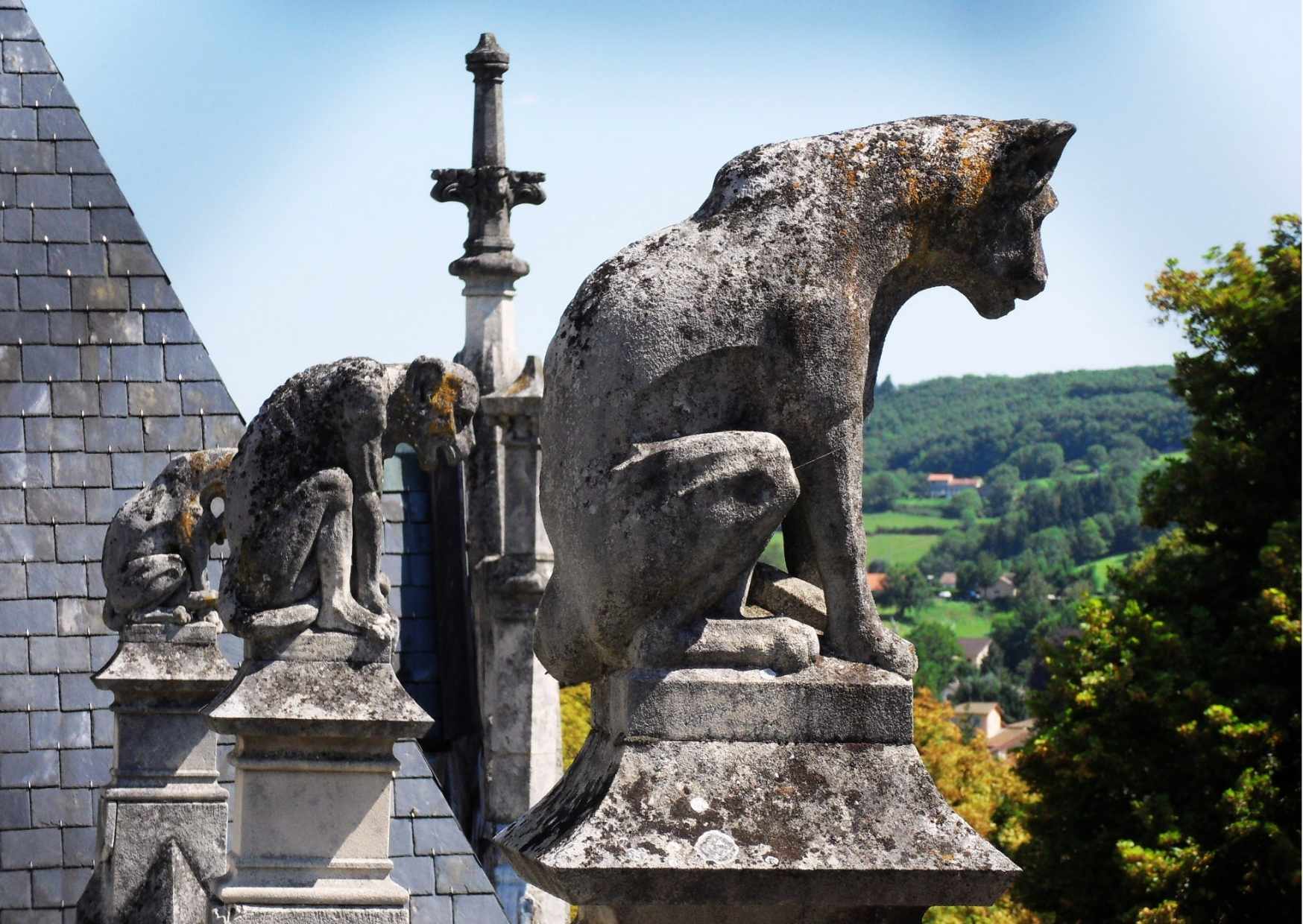
Photo: G & V Charlieux
Burgundy is a peaceful, rural region in the heart of France. It has a rich past, a strategic location and a naturally advantageous setting, all of which have contributed to its worldwide reputation for fine wines, gastronomy and architectural wealth. Situated between Paris and Lyon and crossed by the Loire, Yonne and Saône rivers, Burgundy is on the main route between northern and southern Europe. As such, its long history has been shaped by the influence of trade, religion and political power.

The Burgundians were originally Scandinavian people who came from the shores of the Baltic Sea around the 1st century AD. The tomb of a Gaulish princess, discovered near Vix at Mont Lassois in 1953, revealed jewelry and artifacts of Greek origin dating back to the 6th century BC. The territory was conquered by the Romans in the Gallic Wars following the siege of Alésia when Julius Caesar finally gained victory over Vercingetorix. In the 4th century Roman power dissolved and the country was conquered by the Burgundii, a tribe from Savoy who kept it independent until 534. Following numerous partitions and unions, Burgundy came to be run in the early 15th century by a Dijon-based duchy. The Dukes of Burgundy dominated French politics and were said to be more powerful than the King of France.

After the French Revolution the province of Burgundy disappeared, divided into four departments; Yonne, Côte d'Or, Nièvre and Saône-et-Loire. Those who take the time to visit will find a special atmosphere in Burgundy's towns and villages. Among the best known are Dijon, the regional capital, Sens, Auxerre, Nevers, Beaune, Mâcon and Chalon. Many historical figures have lived there including Vauban, and the writers Mme de Sévigné, Lamartine and Colette. Burgundy's influential past can be seen today through the remarkable number of châteaux, many of them architectural masterpieces. They include the palais des ducs de Dijon, palais des ducs de Nevers, châteaux d‘Ancy-le-Franc and many more. The region's influence in religious and spiritual affairs is also evident through the many Romanesque churches, magnificent cathedrals, Benedictine and Cistercian abbeys.

Today, Burgundy's prosperity is directly related to its wine production, gastronomy and tourism. A rich soil ensures a stunning array of superb red and white wines. Most of the vineyards are found in the attractive area of the Côte d'Or, which is divided into the Côtes de Nuits and Côtes de Beaune. Everywhere you go, the region's winemakers produce delightful wines with tradition and passion. The quality and reputation of Burgundy wines are tightly controlled through the AOC label and the best way to discover them is to follow one of the four wine routes: the "Route des Grands Crus", the "Route Touristique des Grands Vins" or the "Route des Vins Mâconnais Beaujolais". The last route runs through the five wine areas in Northern Burgundy.

The region is also known for its fine food, even the French refer to it as "the gastronomic region"! It is famous worldwide for its large Burgundy snails, frogs' legs and Boeuf bourguignon (beef burgundy), emblems of French gastronomy and renowned regional dishes. Perhaps less well-known, fresh fish are also plentiful; trout are common in the region's streams and catfish can be caught in the Saône. Burgundy also has a wide range of specialty cheeses and breads and is home to the famous Dijon mustard.

In addition to the excellent food and drink, Burgundy offers many attractions. 12 tourist itineraries invite you to discover the region. They include: historical routes and craft and nature trails which are a delightful way to familiarize with the countryside and rural life. Burgundy is criss-crossed by 6,000 km of footpaths, all providing an unmatched panoply of landscapes and views. The Parc de Morvan, a wooded, hilly area with nature trails and animal reserves, is just one example of a perfect destination for walking and exploring.

Many visitors come to Burgundy to enjoy boat holidays on its 1,200 km of rivers and canals. Cycling along the canals is a popular pastime and there are plenty of gentle to moderately demanding walks. If you enjoy more serious cycling, Bresse is the place to go. Sailing and fishing are also widely available, and the Settons lake is particularly recommended. Golfing enthusiasts will not be disappointed with seventeen varied golf courses spread across the region. Rock climbing and potholing are other popular activities which can be carried out in the area. For culture lovers, Burgundy boasts a rich calendar of events, including many local festivals and concerts.

Already popular with Parisian second-home owners, Burgundy is only 65 miles south of Paris and 35 miles north of Lyon, making access to the region very easy. It is crossed by several motorways and is only 4 to 5 hours drive from Calais. Direct flights go from the UK to Dijon and Lyon, and there are TGV train links to the main towns.


Facts and figures

Capital: Dijon
Population: 1,612,000 (2,7% of French population)
Density: 51 per sq. km (France = 108,2 per sq. km)
Area: 31,752 sq. km (12,259 sq. miles) representing 5,8% of France
Economy: Services (65,7%), industry (27,1%), agriculture (7,1%)
Unemployment rate: 7,9% (rate for France = 9%)

Specialities: Bresse chicken or Charolais beef, pungent mustard or gingerbread, Foie Gras, Beef Burgundy, Kir - Aligoté, Frogs Legs and Escargots, Jambon Persillé. Eggs Meurette, Wines: Chablis, Montrachet, Meursault, Nuits Saint Georges, Pommard, Cotes de Beaune and more


Tourism


Important Links

To find out more about the Burgundy region visit:

View all properties in Burgundy


French Property Search

Region:
Property Type:
Price:
Property Reference:

Or try our Advanced Search

Regional Information

Click to find out more about the French regions

Click the map or select from below to learn more about France.

Learn about France

Site Sponsors