 Search by Draw Map


Monthly Newsletter
Sign up for our monthly newsletter today…
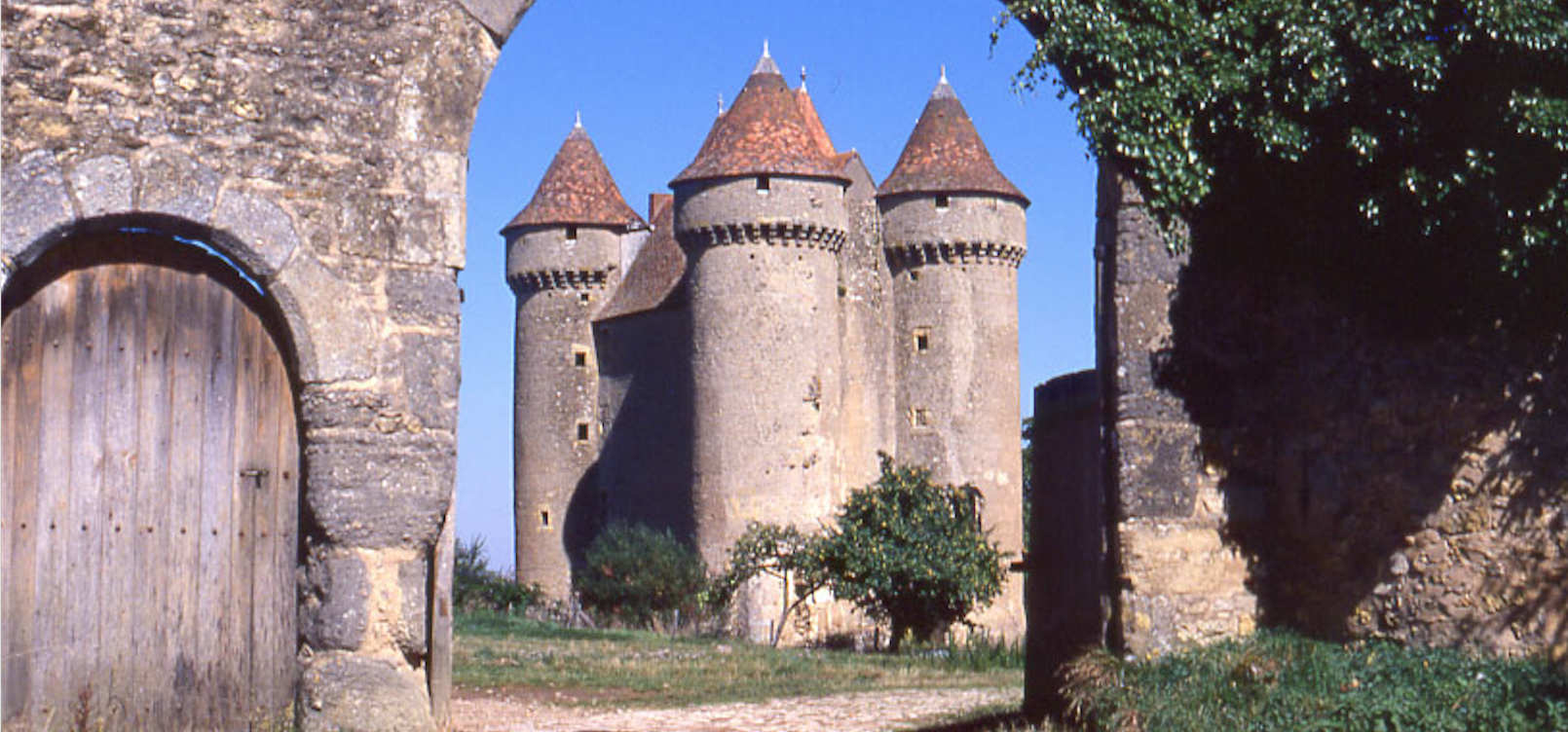
The Loire Valley lies to the southwest of Paris and makes up the 'Centre-Val de Loire' region of France. The Loire, the country's longest river (1,020 km), runs from the Massif Central to the Atlantic coast, providing what many regard as a north-south climatic divide. The region was once France's royal and intellectual capital and is rich in history and architecture.
Picturesque villages alternate with towns rich in art and history, while Romanesque and Gothic styles dominate the façades and decoration of religious monuments. The Loire is lined with stunning historic Châteaux, which pair with the luxuriant landscape, fine food, and wine.
As France's intellectual capital in the 13th century, Orléans attracted artists, poets and troubadours to the Royal Court. The Kings planned the country's political and cultural renaissance from this region, making the Loire Valley the setting for many important events in France's history.
The medieval court never stayed in the same place for long, which led to the construction of superb Châteaux and religious sites along the Loire River.
The Loire Valley has seven sites listed on UNESCO's World Heritage List: Saint-Étienne Cathedral, Chartres Cathedral, and the Loire Valley between Sully-sur-Loire and Chalonnes.
The Royal Residence of Chambord is a Château that defies superlatives. It symbolises the success of Renaissance architecture and the political power of King François the 1st. With its keep, corner towers, double-helix staircase, some 440 rooms and 356 fireplaces, it remains an absolute masterpiece.
Other famous Loire Valley Châteaux include Chenonceau and Villandry, both known for their splendid gardens, and Azay-le-Rideau, recognised by its fairytale turrets.
The Centre region historically includes the provinces of 'l'Orléanais', Berry, and Touraine, which are divided into six departments. Tours and Orléans serve as the main hubs of the Loire Valley's tourism industry because of their strategic locations, rich cultural heritage, and excellent cuisine.
Other charming towns worth visiting are Amboise and Blois. The small town of Beaugency is also an interesting detour. If you visit Amboise, don’t miss the chance to see the tomb of Leonardo Da Vinci, who spent his final days there and is buried in a chapel on the grounds of Clos Lucé manor.
The Loire Valley enjoys a temperate climate, with short, cold winters and long, warm summers. This area is mainly agricultural, with gently rolling farmland dotted with forests, lakes, and river valleys like the Loir (not to be confused with the Loire), the Indre, the Creuse, and the Cher.
The Loire Valley has a temperate, oceanic climate ideal for exploring its chateaux and vineyards. Summers are warm (17-20°C, July highs 21°C) with occasional rain. Winters are mild (~8°C) with rare frost or snow.
Rainfall is 600-800 mm annually, evenly spread, and the average temperature is 12°C. Diverse topography causes microclimates: mild in the Loire Valley, cooler and humid in Perche and Sologne, and more continental in Berry.
The Loire Valley is also home to 19 AOC wines; the most famous are sparkling Vouvray, Red Chinon, Bourgueil, and Sancerre. Local food specialities abound: goat's cheese from Sancerre, green lentils from Berry, and the delicious Tarte Tatin (caramelised apple pudding).
The Loire Valley features three regional natural parks: Loire-Anjou-Touraine, la Brenne, and Perche, showcasing its rich and diverse landscape. With abundant lakes, rivers, forests, and valleys, the region offers an ideal backdrop for a wide range of sports and activities.
Explore cycling routes spanning 300 km around the Châteaux of Blois and the Loire River. Enjoy water sports such as fishing, boating, and more at numerous lakes.
Golf enthusiasts can hone their skills on the picturesque greens and fairways of the Loire Valley's 30 golf courses. For family fun, visit Tintin's castle at the Château de Cheverny or explore one of the region's 100 museums and monuments.
The region's popularity is boosted by easy access from Paris via TGV train in under an hour. It has attracted several well-known personalities: Mick Jagger of the Rolling Stones owns a château near Amboise, Patrick Viera, the former footballer and coach, hails from Dreux, and Jude Law's parents own property here. As a result, property prices are relatively high, particularly in the more scenic areas.
The Loire region is easily accessible and well-connected by major roads and motorways. If coming from the UK, you can fly into Tours or drive from the coast in about 4 hours via the motorway. Or, you can take the Eurostar to Paris, which offers good connections to the TGV.
From the USA, the easiest way for American buyers is to fly into Paris-Charles de Gaulle Airport and take a train from Paris Gare d'Austerlitz or Paris Montparnasse, depending on your destination in the region.
The main cities are Orléans, Tours, Blois, Bourges, and Chartres. You can reach them by road (motorways, national and departmental roads), by train, or by air. Here's a list of the region's airports and main train stations.

 Unlock Extra Images
 5 Beds
 3 Baths
 50.71
ha 5 Beds
4.02
ha 6 Beds
0.23
ha
50.71
ha 5 Beds
4.02
ha 6 Beds
0.23
ha